For Young Children (Ages 5–8)
IT'S NEVER YOUR FAULT! Your 3 Online Safety Rules:
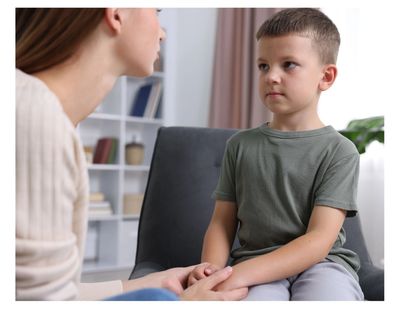
🛑 Stop — Always stop and ask a grown-up before you click on something new, download anything, or talk to someone you don't know in real life.
✋ Tell — If something makes you feel scared, confused, or yucky inside — tell a grown-up you trust right away. You won't get in trouble.
💛 It's Not Your Fault — If someone online ever says something that makes you feel weird or uncomfortable, that is never your fault.
For Tweens (Ages 9–12)
You're smarter than you think — and so are the people trying to trick you.
Here's what to keep private online (even from people who seem nice):
- Your full name
- Your school name or location
- Your home address
- Your phone number
- Photos of yourself
The Secret Test: If someone online asks you to keep something secret from your parents — that's a red flag. Safe people don't ask kids to keep secrets from their grown-ups.
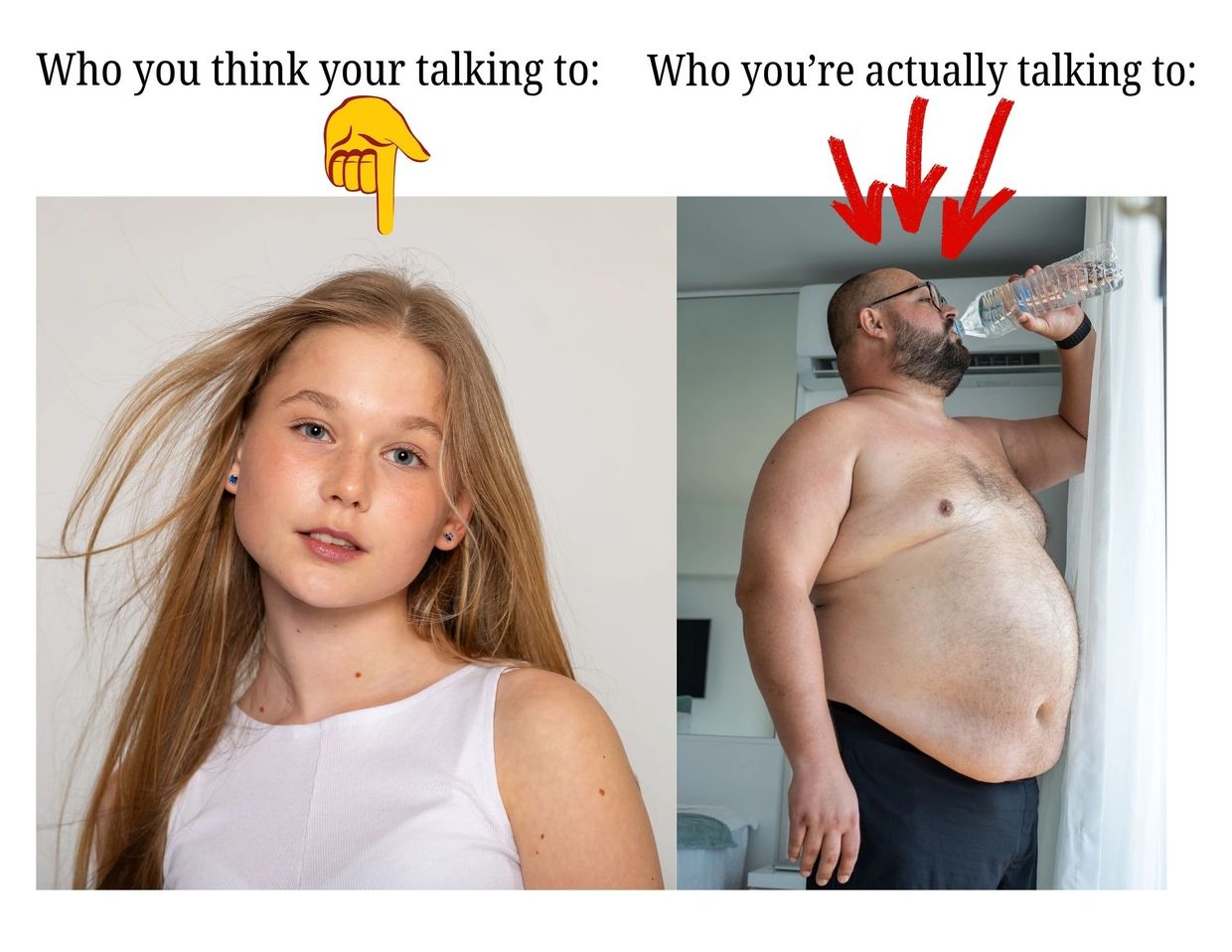
Remember: Your online "friends" may not be who they say they are. Someone claiming to be a 12-year-old might not be. If an online friend ever asks to meet up in person or wants your personal information, tell a trusted adult immediately.
For Teens (Ages 13–17)
You've got more freedom online — and more to watch out for.
On social media:
- Think before you post. Screenshots last forever, even after you delete something.
- You don't owe anyone access to your life. Private accounts are smart accounts.
- Likes don't equal love. Don't let online validation drive your decisions.
On pressure and images:
- No one who genuinely cares about you will pressure you to send photos of yourself.
- If someone is pushing you to share images, threatening to expose something, or making you feel like you have to do something — that's called sextortion, and it's a crime. It is not your fault, and you can get help.
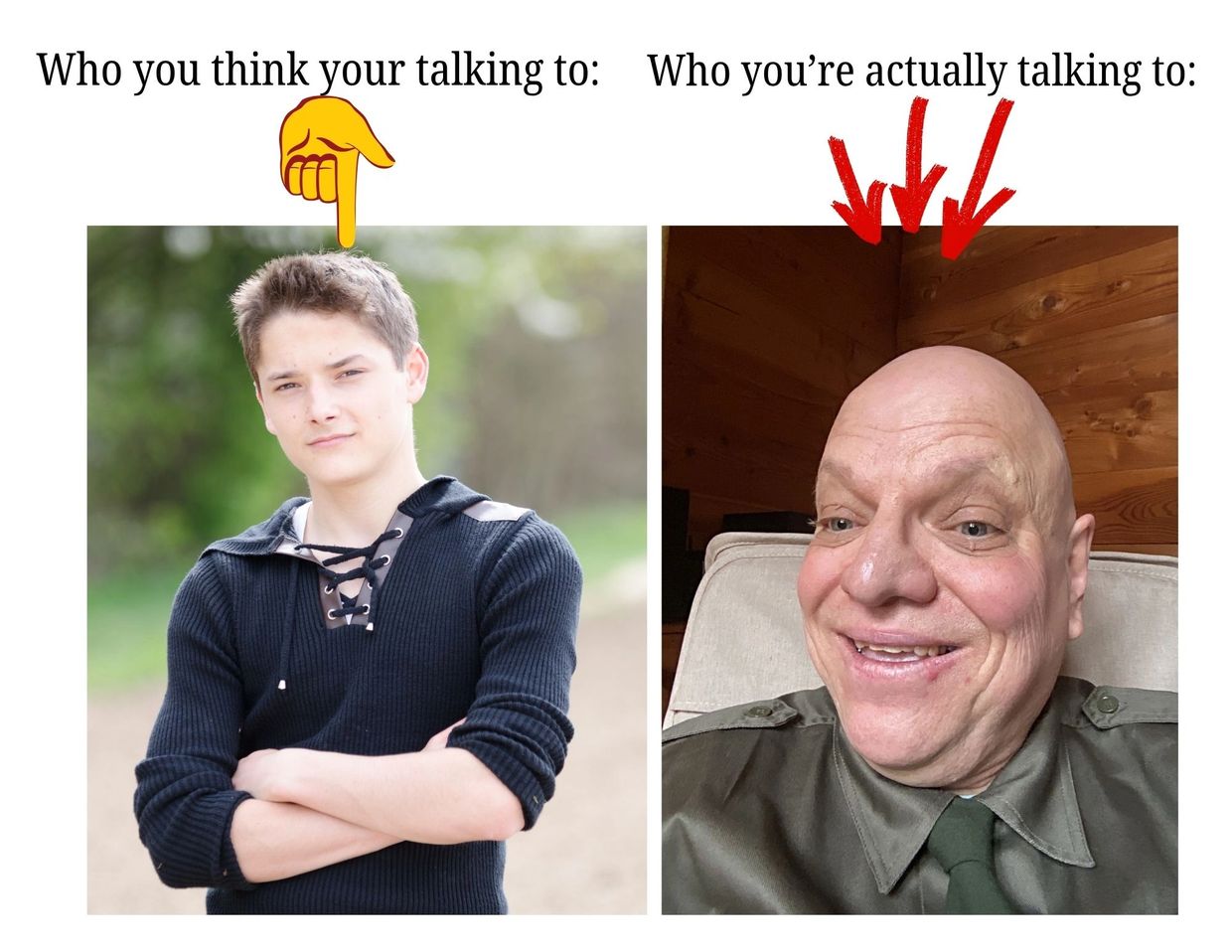
On "relationships" that feel off: Online grooming is real. It often starts with someone who seems incredibly kind, understanding, and interested in you. They may offer gifts, compliments, or a sense of belonging. Over time, they try to isolate you from the people who love you and create secrets.
Warning signs someone online might not be safe:
- They're unusually focused on you and seem to "get you" right away
- They ask personal questions quickly
- They want to move the conversation to a private platform
- They ask you to keep your conversations secret
- They offer gifts, money, or special attention for no obvious reason
You are not alone, and you are not in trouble. If this sounds familiar, please talk to a trusted adult — or reach out to:
- Crisis Text Line: Text HOME to 741741
- NCMEC CyberTipline: CyberTipline.org
- A school counselor, coach, or family member you trust
Talk About It — Together
Digital safety isn't a one-time conversation. It's an ongoing relationship between parents and kids built on honesty and trust.
The most powerful thing a parent can say: "No matter what happens online, you can always come to me. I will not be angry. I will help you."
The most powerful thing a child can remember: You are never alone, and it is never your fault.
The Empowered Child Alliance exists because we believe every child deserves to feel safe — online and off. For more resources, programs, and tools, explore our website or contact us.
